Dream Book: A Guide to the World of Dreams
History of Dream Dictionaries
Dreams are one of the most mysterious and layered phenomena of the human psyche. We experience them every night, even if we remember nothing in the morning. Some dreams make us happy, others frighten us, leave a sense of unease, or inspire us. Sometimes we feel a dream is “about something important,” but cannot fully grasp what it means.
Since ancient times, people have tried to interpret their dreams, seeking answers to life's questions or predictions of future events. This need gave rise to dream dictionaries—special collections of dream interpretations. These are like dictionaries in which each symbol or image is assigned a specific meaning.
Today, dream dictionaries are available in print, digital, and even interactive formats. Although science has not confirmed that dreams can be interpreted universally, interest in them remains strong. People still look to them for clues, answers, comfort—or inspiration for self-reflection.
The history of dream dictionaries is a story of humanity’s effort to understand itself and the world through symbols. In early civilizations, dreams were considered sacred:
- Sumerians and Babylonians: dreams were seen as messages from the gods. Priests recorded their interpretations on clay tablets—these were some of the first dream dictionaries.
- Ancient Egypt: dreams were a means of communicating with the spirit world. Temples had special chambers for inducing prophetic dreams.
- Greece: philosophers like Aristotle sought rational explanations for dreams. Artemidorus of Daldis wrote “Oneirocritica,” describing thousands of symbols.
- Middle Ages: dreams were interpreted through a religious lens—as temptations or divine revelations. Dream books were filled with moral lessons and fears.
- Modern Era: Sigmund Freud and Carl Jung introduced a scientific approach. Freud saw dreams as expressions of the unconscious; Jung viewed them as communication with archetypes.
Thus, over the centuries, dream dictionaries have evolved from mystical tools to components of psychoanalytic practice.
What Is a Dream Dictionary and How Does It Work
A dream dictionary is a structured list of symbols that appear in dreams, with suggested possible meanings. Each symbol can have several interpretations depending on context, emotions, and personal perception.
Typically, dream dictionaries are organized alphabetically or thematically. Example:
- Fire — transformation, energy, anger, purification.
- Teeth — fear, maturation, loss of control.
- Door — new opportunity, transition, boundary between life stages.
Dream dictionaries may be:
- traditional (as books),
- psychological,
- esoteric,
- or digital — in the form of apps and websites.
It is important to remember: no dream dictionary offers absolute truth. It is a tool to encourage self-reflection. The true meaning of a dream emerges in the dialogue between the symbol and the individual.
Types of Modern Dream Dictionaries
Today, there are many types of dream dictionaries, each offering different approaches to interpreting dreams. They may be based on folk traditions, psychology, esotericism, or modern digital technologies.
Folk Dream Dictionaries
Folk dream dictionaries are rooted in folklore and omens. The meanings of symbols often reflect generational wisdom and traditional views of good and evil.
Popular examples of folk dream dictionaries:
- Miller's Dream Dictionary — one of the most well-known, compiled from extensive observations of people's dreams.
- Vanga's Dream Book — features mystical and prophetic interpretations based on the visions of the famous clairvoyant.
- Tsvetkov's Dream Book — combines esotericism and astrology, placing great importance on numbers and colors.
Psychological Dream Dictionaries
These originate from the works of Sigmund Freud and Carl Gustav Jung. They see dreams as reflections of the subconscious mind.
Key features:
- Freud interpreted dreams as expressions of repressed desires, primarily sexual.
- Jung saw dreams as manifestations of the collective unconscious and archetypes — universal symbols shared across humanity.
This approach helps individuals better understand their fears, desires, and internal conflicts.
Esoteric and Mystical Dream Dictionaries
These are based on belief in energy processes and spiritual development. Dreams are linked with karmic lessons, energy centers (chakras), and astrological influences.
Such dictionaries may mention the phases of the Moon, planetary alignments, and energetic flows affecting dreams.
Digital Dream Dictionaries
Modern technologies have led to the rise of digital dream dictionaries — websites, apps, and online databases. They allow for fast interpretation, dream journaling, and even tracking recurring symbols.
Advantages of digital dream dictionaries:
- Quick keyword search.
- Interactivity and user-friendliness.
- Ability to analyze dreams over time.
Can Dream Dictionaries Be Trusted?
Dream dictionaries can be a useful tool for self-reflection, but they do not offer absolute answers. Their meaning depends on a person's individual perception, life experience, and emotional state.
Advantages of using dream dictionaries:
- They help draw attention to inner experiences and hidden feelings.
- They stimulate self-reflection and introspection.
- They can be a source of inspiration and new ideas.
Disadvantages of using dream dictionaries:
- There is a risk of taking interpretations literally, without considering personal context.
- There may be a tendency to seek out alarming meanings that cause unnecessary worry.
- Not all dreams have a hidden meaning — sometimes they are simply the brain's way of processing daily impressions.
Therefore, dream dictionaries should be used as a supplementary tool, not as a source of absolute truth. True understanding of dreams comes from inner work, emotional analysis, and reflection on one's life circumstances.
How to Use a Dream Dictionary Properly
To make your work with a dream dictionary truly meaningful, it's important to approach the process mindfully. Dream interpretation is not fortune-telling — it's an attempt to understand your internal processes, hidden emotions, and desires.

Basic guidelines:
- Record dreams immediately after waking. Dreams fade quickly, so it’s essential to write them down as soon as possible. Even short notes can help you recall details later.
- Consider the emotions in the dream. How did you feel in the dream? Joy, anxiety, fear, calm — all these feelings matter when interpreting dreams.
- Pay attention to key symbols. Sometimes the whole dream revolves around a single powerful image — that’s what you should analyze first.
- Context matters. The same symbol in different dreams can mean very different things depending on the situation and emotions involved.
- Look for personal associations. What does this image mean to you personally? What memories or feelings does it evoke?
Keeping a Dream Journal
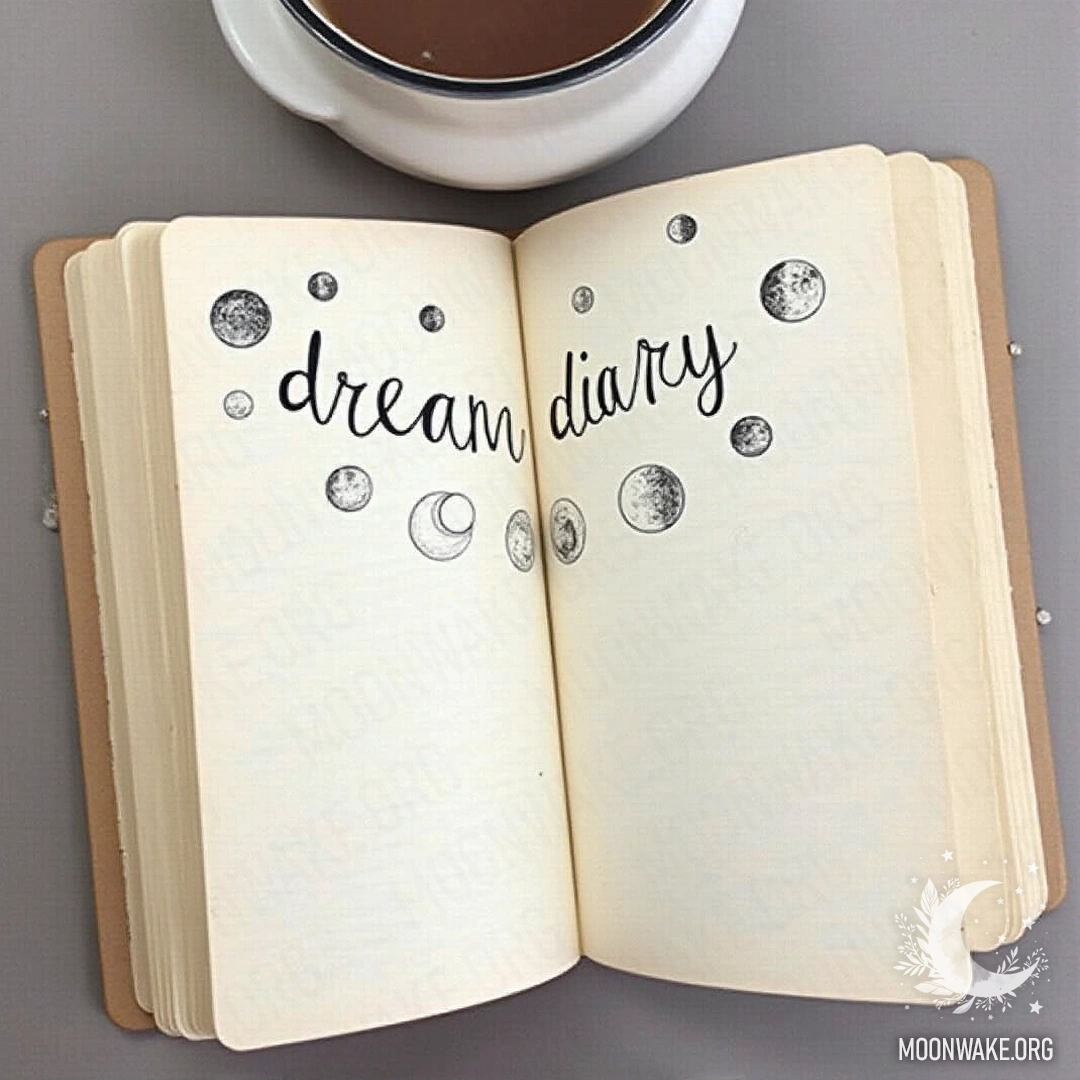
Keeping a dream journal helps you better understand your dreams and notice recurring themes and symbols. Over time, you may start to recognize certain patterns in your dreams, which can greatly simplify interpretation.
How to keep a dream journal:
- Write down your dreams every day. Even if a dream seems minor or fragmented, it's important to record it.
- Include the date and time. This helps analyze the impact of daily events and other factors. Some people also note the moon phase, though its influence is not scientifically confirmed.
- Record the emotional tone. Emotions are key to understanding the dream's meaning.
- Track recurring themes. If a particular symbol or story keeps appearing, it likely holds special significance.
- Try a brief interpretation. After writing down your dream, try to guess what it might mean to you personally before consulting a dream dictionary.
What to pay special attention to
Not every element of a dream is equally important. Here are a few aspects to focus on when analyzing dreams:
- Strong emotions in the dream. Emotions are often more important than the storyline and may reveal what concerns you most in real life.
- Recurring symbols or themes. If the same image keeps reappearing, it likely carries a meaningful message.
- Unusual images. Vivid, absurd, or symbolically rich scenes can be a "code" your subconscious uses to send messages.
- Sudden changes in dream atmosphere. If the dream’s mood shifts sharply (e.g., fear turns to relief), this may reflect inner conflict or transformation.
A dream dictionary is not a magical book of predictions, but a tool for self-discovery. It helps you see your inner experiences in a new light and better understand your subconscious processes.
Approach dream interpretation mindfully: don’t look for direct answers, but use the dictionary as a guide. Over time, you’ll learn to spot meaningful cues in your dreams and even sources of real-life inspiration.
Remember: your dreams are your personal language — only you can truly interpret them.